Gastric sleeve surgery can lead to substantial weight loss and meaningful improvements in health and quality of life. However, rapid weight loss also causes important changes in the way the body stores and processes fat. One of the conditions that may occur during this period is the formation of gallstones.
Gallstones do not develop in every patient after sleeve gastrectomy, and many people who develop them may never experience symptoms. Still, understanding why they can occur, what symptoms to watch for and when medical evaluation may be necessary is an important part of postoperative awareness.
What Are Gallstones?
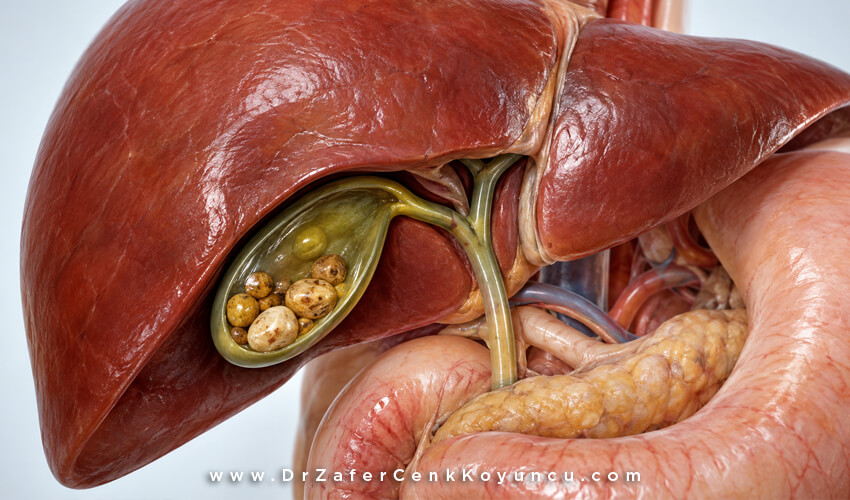
The gallbladder is a small organ located beneath the liver. Its main function is to store bile, a digestive fluid produced by the liver that helps the body digest fats.
Gallstones are hardened deposits that form inside the gallbladder. They vary in size and may remain unnoticed for years. In some people, however, gallstones can block the normal flow of bile and cause pain or other complications.
The two main categories are cholesterol stones and pigment stones, with cholesterol stones being the more common type.
Why Can Gallstones Form After Gastric Sleeve Surgery?
The relationship between bariatric surgery and gallstones is largely associated with rapid weight loss.
When the body loses a significant amount of weight over a relatively short period, several physiological changes can occur. More cholesterol may be released into bile, while the gallbladder may empty less efficiently than usual. Together, these changes can encourage the formation of gallstones in susceptible individuals.
This does not mean that gastric sleeve surgery directly causes gallstones in every patient. Rather, rapid weight loss itself is an important contributing factor.
Rapid Weight Loss Changes Bile Composition
During active weight loss, the body mobilises stored fat. This process can increase the amount of cholesterol secreted into bile.
If bile becomes overly saturated with cholesterol, crystals may begin to form. Over time, these crystals can develop into stones.
The Gallbladder May Empty Less Frequently
After bariatric surgery, patients typically consume smaller meals, especially during the early stages of recovery.
Because dietary intake and fat consumption are temporarily reduced, the gallbladder may contract less frequently. Bile can therefore remain in the gallbladder for longer periods, increasing the possibility of stone formation.
Is the Risk of Gallstones Higher After Sleeve Gastrectomy?
Gallstones can occur in people who have never undergone bariatric surgery. However, periods of rapid or major weight loss can increase the likelihood of developing them.
The period in which weight is falling most rapidly is considered particularly relevant. Individual risk varies considerably. Some patients may already have gallstones before their bariatric procedure without knowing it, while others may develop them later during the weight-loss process.
For this reason, postoperative follow-up remains important even when recovery from gastric sleeve surgery itself is progressing normally.
Who May Be More Likely to Develop Gallstones?
Several factors may influence an individual's likelihood of developing gallstones. These can include:
- Rapid weight loss
- Significant excess weight before surgery
- Previous history of gallstones
- Family history of gallbladder disease
- Female sex
- Pregnancy history
- Certain metabolic conditions
- Changes in cholesterol metabolism
- Reduced gallbladder emptying during rapid weight loss
Having one or more of these factors does not mean that a patient will definitely develop gallstones. Risk assessment should always be individualised.
What Are the Symptoms of Gallstones?
Many gallstones are asymptomatic, meaning they do not cause noticeable problems.
When symptoms occur, one of the most typical complaints is pain in the upper right side of the abdomen. Pain may also occur in the upper central abdomen and can sometimes spread towards the back or right shoulder.
Possible symptoms include:
- Sudden pain in the upper right abdomen
- Pain after eating, particularly after fatty meals
- Pain that may radiate to the back or right shoulder
- Nausea
- Vomiting
- Indigestion or abdominal discomfort
A patient should not assume that every episode of abdominal discomfort following bariatric surgery is caused by gallstones. Several different conditions can produce similar symptoms, which is why persistent, severe or unexplained abdominal pain should be evaluated medically.
When Can Gallstones Become a More Serious Problem?
Gallstones become clinically important when they interfere with the normal drainage of bile.
Gallbladder Inflammation
A blocked gallbladder can become inflamed and may cause persistent abdominal pain, tenderness and fever.
Bile Duct Obstruction
A stone entering the common bile duct can interfere with normal bile drainage and may cause jaundice or abnormal liver tests.
Pancreatic Inflammation
In some cases, a gallstone can affect the area where the bile and pancreatic ducts drain and may contribute to pancreatitis. These situations require medical assessment rather than home management.
Which Symptoms Require Prompt Medical Attention?
Patients should seek medical advice promptly if they develop significant symptoms, particularly:
- Severe or persistent abdominal pain
- Fever or chills
- Repeated vomiting
- Yellowing of the skin or eyes
- Dark urine
- Very pale stools
- Increasing abdominal tenderness
- Pain that becomes progressively stronger
These symptoms do not automatically confirm gallstones, but they may indicate that further evaluation is required.
How Are Gallstones Diagnosed?
When gallstones are suspected, the physician first evaluates the patient's symptoms, medical history and clinical findings.
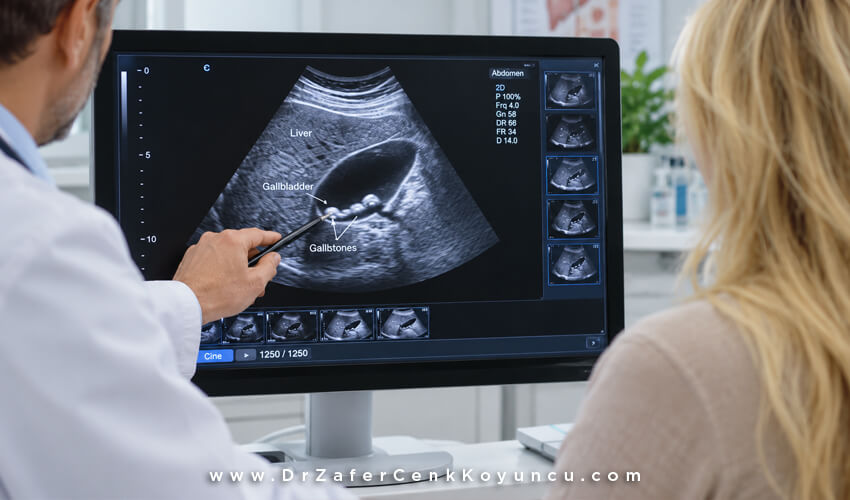
An abdominal ultrasound is one of the most commonly used examinations for identifying stones within the gallbladder.
Depending on the clinical situation, other investigations may include blood tests, liver function tests, additional abdominal imaging or more specialised imaging of the bile ducts.
Do All Gallstones Need Treatment?
No. Gallstones that are discovered incidentally and do not cause symptoms may not always require immediate treatment.
Management depends largely on whether the stones are producing symptoms or complications. The presence of a gallstone on an ultrasound does not automatically mean that gallbladder surgery is necessary.
The patient's overall health, symptoms, previous attacks and any evidence of complications should all be considered.