Brief Summary
Gastric sleeve and gastric bypass are two different bariatric surgery options. The right choice should not be based only on body weight.
Reflux, type 2 diabetes, BMI, metabolic conditions, weight loss goals, stomach and esophageal health, and long-term follow-up compliance should all be evaluated together.
Gastric Sleeve or Gastric Bypass?
Gastric sleeve surgery and gastric bypass are two of the most commonly discussed bariatric surgery options. Both procedures may support weight loss and may help improve certain obesity-related health conditions. However, they are not the same operation, and they do not offer the same advantages for every patient.
For this reason, there is no single standard answer to the question: “Gastric sleeve or gastric bypass?” The decision should be based on the patient’s body mass index, metabolic conditions, reflux symptoms, stomach and esophageal health, weight loss goals, lifestyle, and surgical risk profile.
What Is Gastric Sleeve Surgery?
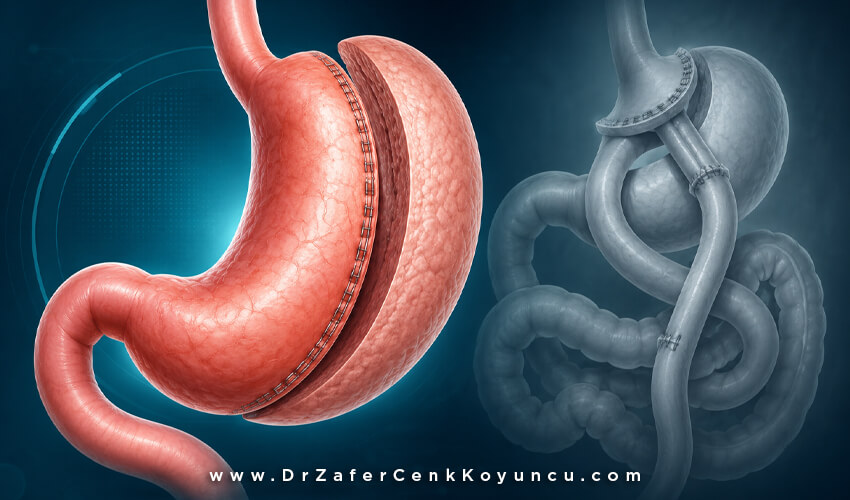
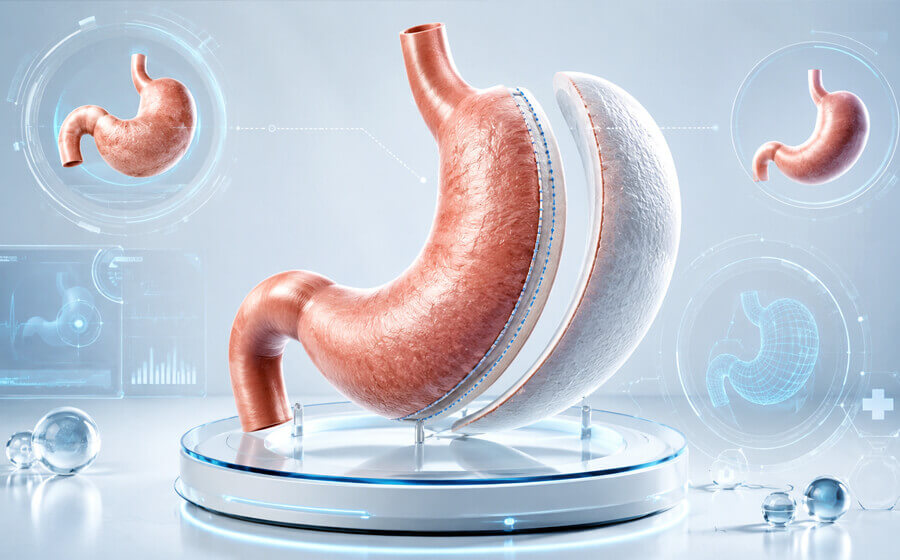
Gastric sleeve surgery, medically known as sleeve gastrectomy, is a procedure that reduces stomach volume. During the operation, a portion of the stomach is removed, leaving the stomach in a narrower, sleeve-like shape.
Gastric sleeve surgery mainly helps reduce food intake and supports earlier satiety with smaller portions. It may also influence some hormonal mechanisms related to hunger.
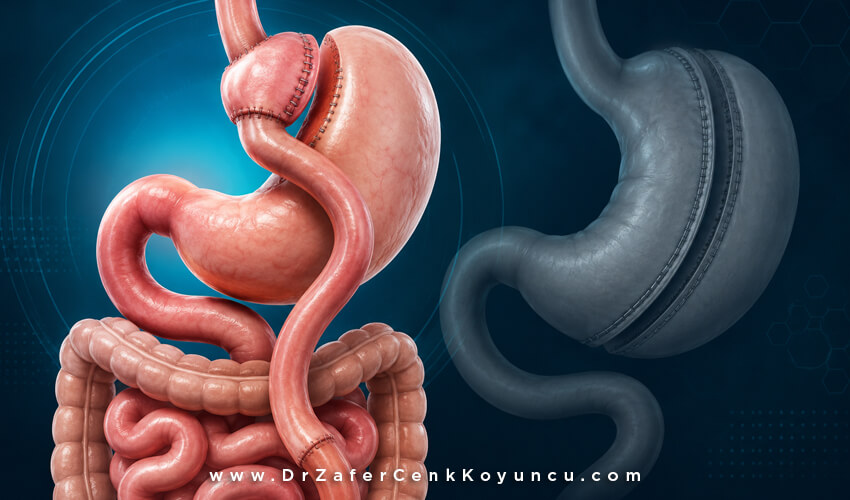
Compared with gastric bypass, gastric sleeve is generally considered a less complex procedure because the intestines are not rerouted. However, this does not mean that sleeve surgery is the best option for every patient. Reflux and metabolic conditions should be carefully evaluated before deciding.
What Is Gastric Bypass?
Gastric bypass reduces stomach size and changes the pathway of food through part of the small intestine. Because of this, it has both restrictive and metabolic effects.
Gastric bypass may be considered a stronger option for some patients with type 2 diabetes, higher metabolic risk, or significant reflux symptoms. However, it is technically more complex and requires careful long-term monitoring for vitamin and mineral deficiencies.
Therefore, gastric bypass should not be chosen only with the expectation of greater weight loss. The patient’s metabolic profile, medications, eating habits and ability to follow long-term care should be reviewed in detail.
How Does Reflux Affect the Decision?
Reflux is one of the most important factors when choosing between gastric sleeve and gastric bypass. In some patients, gastric sleeve surgery may worsen reflux symptoms or make existing reflux more noticeable. For this reason, patients with reflux symptoms should be evaluated carefully before surgery.
If severe reflux, esophageal irritation or hiatal hernia is present, gastric bypass may be considered more suitable in some cases. However, this does not mean that every patient with reflux automatically needs bypass surgery. The decision should be individualized.
Why Are Type 2 Diabetes and Metabolic Conditions Important?
Type 2 diabetes, insulin resistance and metabolic syndrome can strongly influence procedure selection. Both gastric sleeve and gastric bypass may support weight loss and metabolic improvement. However, some studies have shown that gastric bypass may provide stronger long-term effects for type 2 diabetes control in certain patients.
For patients with diabetes, the evaluation should include not only body weight but also blood sugar control, HbA1c level, medications, insulin use and duration of disease.
Do BMI and Weight Loss Goals Change the Choice?
Body mass index and weight loss goals are also important. In some patients with higher BMI or more significant metabolic disease, gastric bypass may be discussed as a stronger option.
On the other hand, gastric sleeve may be more appropriate for certain patients. Its advantages may include not rerouting the intestines, lower surgical complexity and a more straightforward follow-up process for some individuals.
The goal should not be choosing the method that promises the fastest weight loss. The real goal is selecting the safest and most appropriate procedure for the patient’s health, risks and long-term commitment.
Long-Term Follow-Up Is Essential for Both Procedures
Whether the patient has gastric sleeve or gastric bypass, bariatric surgery requires long-term follow-up. Nutrition, protein intake, hydration, vitamin and mineral monitoring, physical activity and regular medical appointments are essential parts of the process.
After gastric bypass, vitamin and mineral deficiencies require closer attention. After gastric sleeve, reflux, weight regain and nutritional compliance should be monitored over time.
For this reason, the post-surgery follow-up plan is as important as the operation itself.
Conclusion
Gastric sleeve and gastric bypass are two effective but different bariatric surgery methods. Gastric sleeve may be a less complex anatomical option, while gastric bypass may be more suitable for some patients with reflux, type 2 diabetes or significant metabolic disease.
To choose the right procedure, BMI, reflux, diabetes, weight loss goals, stomach and esophageal health, surgical risks and long-term follow-up compliance should be evaluated together. The same method should not be recommended to every patient. The best approach is individualized surgical planning.
Is gastric sleeve or gastric bypass more suitable for you?
The correct answer requires detailed medical evaluation. You can plan an initial consultation with the team of Dr. Zafer Cenk Koyuncu to begin a personalized assessment based on your BMI, reflux, diabetes status and weight loss goals.
Request an Expert Evaluation