Brief Summary
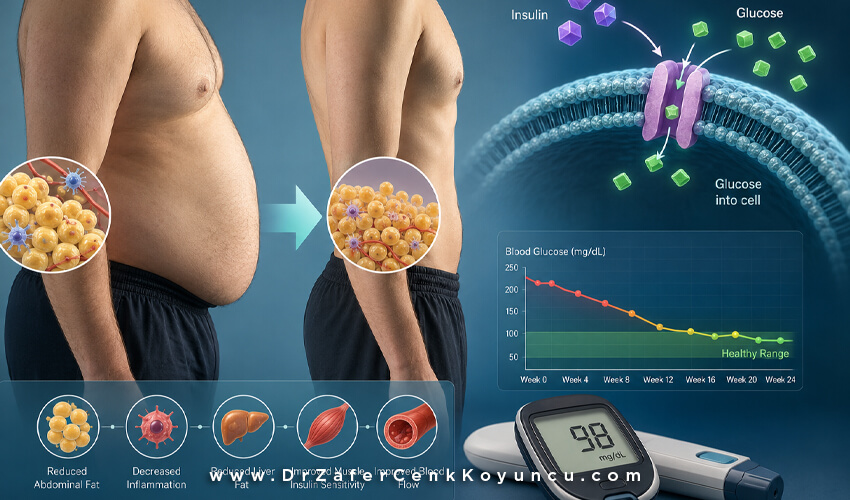
Obesity and type 2 diabetes are strongly connected. Excess body weight, especially abdominal fat, can increase insulin resistance and make blood sugar control more difficult. Weight loss may improve insulin sensitivity, support better glucose control and reduce the need for diabetes medications in some patients. This article explains how weight loss affects type 2 diabetes and when bariatric surgery may be considered as part of metabolic treatment.
Obesity and Type 2 Diabetes: The Impact of Weight Loss
Obesity is not only a matter of excess weight. It is a chronic medical condition that can affect the body’s metabolic system. Type 2 diabetes is one of the most common obesity-related conditions. In many patients, excess fat tissue, especially around the abdomen, contributes to insulin resistance and makes it harder for the body to regulate blood sugar effectively.
One of the main problems in type 2 diabetes is that the body cannot use insulin properly. This is called insulin resistance. As insulin resistance increases, blood sugar tends to rise. Over time, the pancreas may try to produce more insulin, but this balance may become harder to maintain.
How Does Weight Loss Affect Blood Sugar?
Weight loss plays an important role in type 2 diabetes management. Reducing body weight can help decrease abdominal fat and improve insulin sensitivity. As a result, blood sugar levels may become easier to manage.
The effect is not the same for every patient. However, weight loss may help improve fasting blood glucose, HbA1c levels and the need for glucose-lowering medication in many patients. The result depends on several factors, including duration of diabetes, starting weight, pancreatic function, medications, nutrition habits and physical activity.
For this reason, the goal is not only to reduce the number on the scale. The real goal is to support metabolic health, improve blood sugar control and reduce long-term health risks related to obesity and diabetes.
Why Is Bariatric Surgery Considered in Some Patients?
In some patients, diet, exercise and medication may not be enough to achieve sustainable weight loss or adequate blood sugar control. In selected patients, bariatric surgery may be considered as a treatment option that supports both weight loss and metabolic improvement.
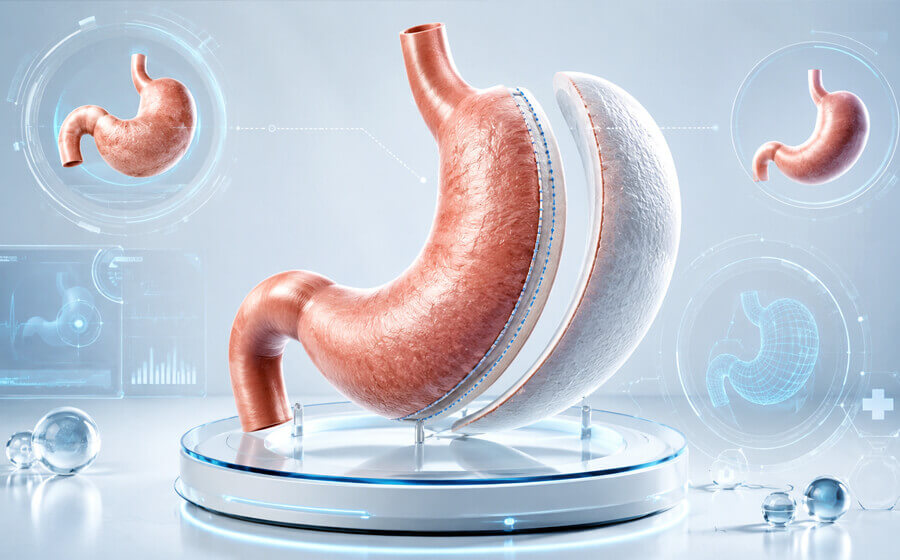
Procedures such as gastric sleeve surgery and gastric bypass do more than reduce stomach capacity. They may affect blood sugar through weight loss and through hormonal and metabolic changes. This is why the term “metabolic surgery” is sometimes used.
However, surgery is not an automatic solution for every patient with diabetes. Duration of diabetes, insulin use, HbA1c level, associated diseases, body mass index and the patient’s ability to follow long-term care should all be evaluated together.
Does Gastric Sleeve Surgery Cure Diabetes?
After gastric sleeve surgery, some patients may experience significant improvement in blood sugar control. Some may need fewer medications, and diabetes remission may be possible in selected cases. However, this result is not guaranteed for everyone.
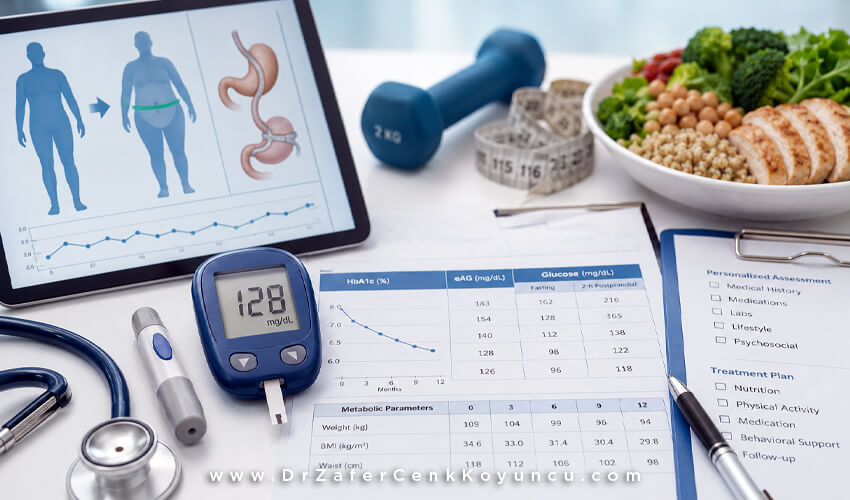
Long-standing diabetes, insulin requirement, reduced pancreatic insulin production, advanced metabolic disease and poor adaptation to post-surgery lifestyle can affect the outcome. Patients should receive realistic information before surgery.
The word remission should also be used carefully. Remission does not mean that diabetes is permanently cured. It may mean that blood sugar remains better controlled for a period of time with fewer medications or without medication. Regular follow-up is still necessary.
Which Patients Need More Careful Evaluation?
In patients with obesity and type 2 diabetes, surgical decisions should be individualized. More detailed evaluation may be needed in patients with poorly controlled blood sugar, high HbA1c, insulin use, cardiovascular disease, kidney problems, sleep apnea or fatty liver disease.
Before surgery, endocrinology, anesthesia and other specialist evaluations may be planned when necessary. The aim is not only to prepare the patient for surgery, but to choose the safest and most appropriate treatment pathway.
Why Is Follow-Up Important After Surgery?
Weight loss and blood sugar improvement may begin after surgery, but the process must continue with structured follow-up. Nutrition, protein intake, hydration, vitamin and mineral monitoring, physical activity and regular blood tests are all important.
Patients using diabetes medications or insulin may require dose adjustments after surgery. For this reason, patients should not stop medications or change doses on their own. Blood sugar monitoring and medical supervision are essential.
Conclusion
Obesity and type 2 diabetes are closely linked. Weight loss may reduce insulin resistance, support blood sugar control and improve metabolic health. In suitable patients, bariatric surgery may contribute not only to weight loss but also to diabetes management.
However, the same result should not be expected in every patient. The most appropriate approach is an individualized evaluation based on BMI, diabetes duration, metabolic status, medication use, associated diseases and the patient’s ability to follow the postoperative process.
Personalized Evaluation for Type 2 Diabetes and Obesity
If you are considering bariatric surgery because of excess weight, insulin resistance or type 2 diabetes, the decision should not be made from a standard checklist. You can plan an initial consultation with the team of Dr. Zafer Cenk Koyuncu to evaluate your BMI, blood sugar control, metabolic conditions and surgical suitability.
Request an Expert Evaluation